Summary
- The United Nations has expressed concern over the reported detention of women and girls in western Afghanistan for allegedly failing to follow dress regulations, urging Taliban authorities to uphold basic rights and ensure equal treatment under the law.
- In a statement issued on Sunday, the United Nations Assistance Mission in Afghanistan said it was troubled by reports of multiple arrests in Herat province involving women accused of not complying with official dress requirements.
- The reported arrests come shortly after local media outlets said Taliban authorities issued a new directive requiring women to observe what officials described as a proper form of hijab when appearing in public.
The United Nations has expressed concern over the reported detention of women and girls in western Afghanistan for allegedly failing to follow dress regulations, urging Taliban authorities to uphold basic rights and ensure equal treatment under the law.
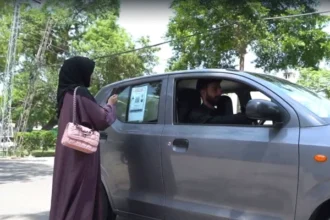
In a statement issued on Sunday, the United Nations Assistance Mission in Afghanistan said it was troubled by reports of multiple arrests in Herat province involving women accused of not complying with official dress requirements. The mission warned that such actions raise serious human rights concerns and called on authorities to respect individual freedoms.
While the UN did not provide an exact number of those affected, local media reports suggested that at least 21 women and girls were detained in Herat during the past week. Taliban officials did not immediately comment on the reports.
The UN mission emphasized that every individual has the right to move freely and should be treated equally before the law regardless of gender. It urged Afghan authorities to ensure that women are not subjected to discriminatory measures or restrictions that violate internationally recognised rights.
The reported arrests come shortly after local media outlets said Taliban authorities issued a new directive requiring women to observe what officials described as a proper form of hijab when appearing in public. According to those reports, women who failed to meet the requirements could face punishment.
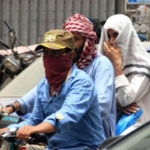
The reported rules allegedly prohibit women from showing their faces in public and discourage the use of makeup. Reuters was unable to independently verify the directive, and Taliban authorities have not publicly provided details regarding its implementation.
Since returning to power in 2021, the Taliban administration has introduced a series of restrictions affecting women and girls across Afghanistan. These measures have limited access to education, employment opportunities and participation in sports, drawing criticism from the United Nations and many governments around the world.
Human rights organizations have repeatedly voiced concern that the restrictions are reducing women’s role in public life and limiting opportunities for future generations. International agencies have also warned about the long-term social and economic consequences of excluding women from education and the workforce.
In April, a report by UNICEF highlighted the potential impact of these policies, warning that Afghanistan could lose more than 25,000 female teachers and healthcare workers by the end of the decade if current restrictions remain in place. The report stressed that such losses could further weaken essential services in a country already facing significant humanitarian challenges.
The Taliban maintains that it respects women’s rights in line with its interpretation of Islamic law. However, critics argue that many of the policies introduced since 2021 have significantly reduced freedoms previously available to Afghan women and girls.
The latest concerns raised by the United Nations add to growing international scrutiny of Afghanistan’s human rights situation. As discussions continue between Kabul and the international community, the treatment of women remains one of the most closely watched issues affecting the country’s relationship with the outside world.
We welcome your contributions! Submit your blogs, opinion pieces, press releases, news story pitches, and news features to [email protected] and [email protected]