Summary
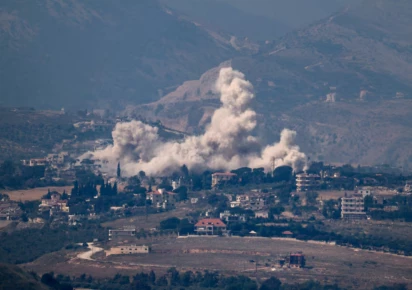
- Israeli Prime Minister Benjamin Netanyahu has denied reports that US President Donald Trump asked Israel to limit its military operations in Lebanon.
- Speaking during a cabinet meeting, Netanyahu said the reports were false and insisted that Israel makes its own security decisions.
- His remarks came after media reports claimed Israel had shared intelligence with US officials regarding alleged Hezbollah tunnels in southern Lebanon to secure American backing for further operations.
Israeli Prime Minister Benjamin Netanyahu has denied reports that US President Donald Trump asked Israel to limit its military operations in Lebanon.
Speaking during a cabinet meeting, Netanyahu said the reports were false and insisted that Israel makes its own security decisions. He said Trump neither requested restraint nor was any permission sought from Washington before carrying out military actions.
His remarks came after media reports claimed Israel had shared intelligence with US officials regarding alleged Hezbollah tunnels in southern Lebanon to secure American backing for further operations.
Netanyahu also reiterated Israel’s position on Gaza, saying reconstruction of the war-torn territory would only begin after Hamas and other armed groups are completely disarmed. The statement differs from the US-backed proposal, which envisions reconstruction and disarmament taking place simultaneously.
In Tehran, Iranian Parliament Speaker Mohammad Bagher Ghalibaf said Iran remains at odds with the United States despite the signing of a memorandum of understanding aimed at easing tensions. He described the agreement’s implementation as difficult but achievable.
Ghalibaf said Iran would continue supporting its regional allies and insisted negotiations should serve national interests rather than become an objective on their own. He also stressed that diplomacy must be backed by military strength.
Iran’s military, meanwhile, said it is using the current ceasefire to strengthen its combat capabilities. Senior commanders warned that any future attack on the country or its allies would receive a strong and decisive response.
On the energy front, OPEC+ agreed to increase oil production by 188,000 barrels per day from August as exports through the Strait of Hormuz gradually recover following weeks of disruption caused by regional conflict.
Oil prices have fallen back to pre-war levels despite ongoing supply challenges, reflecting improving exports and expectations of greater market stability.
Iran and Qatar have also resumed maritime trade after a five-month suspension. Qatar announced the immediate restoration of all maritime activities, while authorities continue monitoring regional waters after a cargo vessel reported coming under attack near Yemen’s Hodeidah.
We welcome your contributions! Submit your blogs, opinion pieces, press releases, news story pitches, and news features to opinion@minutemirror.com.pk and minutemirrormail@gmail.com